
Federal government needs to clear up confusion about Canadian Dental Care Plan
Dentists know that the Canadian Dental Care Plan (CDCP) is a major opportunity to provide oral health care to millions of people who have been unable to access the care they need. However, seniors and other eligible Canadian residents signing up for CDCP are going to be surprised when they find out their care won’t be free.
What’s new with the NIHB Program?
The Non-Insured Health Benefits (NIHB) Program provides clients (registered First Nations and recognized Inuit) with coverage for dental services, including diagnostic (i.e. exams and X-rays), preventive (i.e. sealants), restorative (i.e. fillings), endodontic (i.e. root canals), periodontal (i.e. scaling), removable prosthodontic (i.e. partial and complete dentures), oral surgery (i.e. extractions), orthodontic (i.e. braces), and adjunctive (i.e. sedation, general anesthesia) services.
A Retired Dentist’s Spotlight: In Conversation with Dr. Archie Morrison
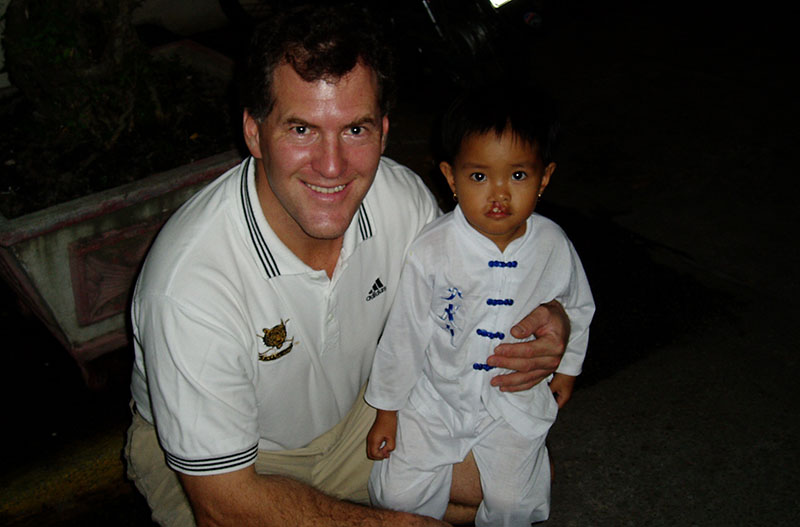
As a youth, Dr. Archie Morrison’s interests certainly leaned towards science. He considered pursuing medicine — maybe even surgery — but, ultimately, followed in the footsteps of his dad, Dr. ES (Dinny) Morrison.
When and how to use silver diamine fluoride
Silver diamine fluoride, or SDF, is an inexpensive topical solution. It is basic in nature, and consists of 25% silver fluoride, 8% ammonium fluoride, 5% fluoride, and 62% water. It is used to treat and prevent dental caries and relieve dentin hypersensitivity.
Easing pain and fear: The heartwarming experience of paediatric dentistry
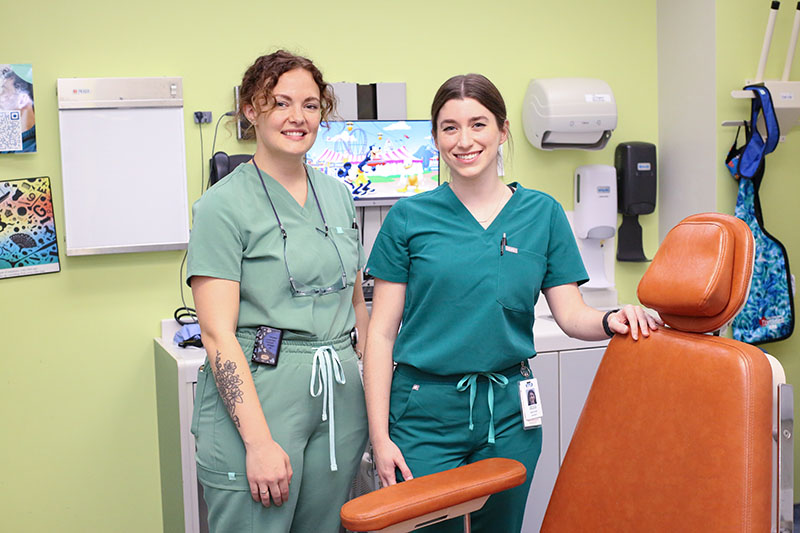
At the IWK, Ellie Wedlake and Renee Ingram conduct new patient exams, treatment, and follow-up in the referral-based practice, supervised by the paediatric dentists who work at the hospital.
Dentists helping dentists: Shining a spotlight on NSDA’s Nomination Committee

The Nova Scotia Dental Association could not exist without its volunteers. Behind every professional event, industry publication, and award of recognition, there are dozens of individuals working behind the scenes to ensure things go off without a hitch.
Nova Scotia Dental Association history secured
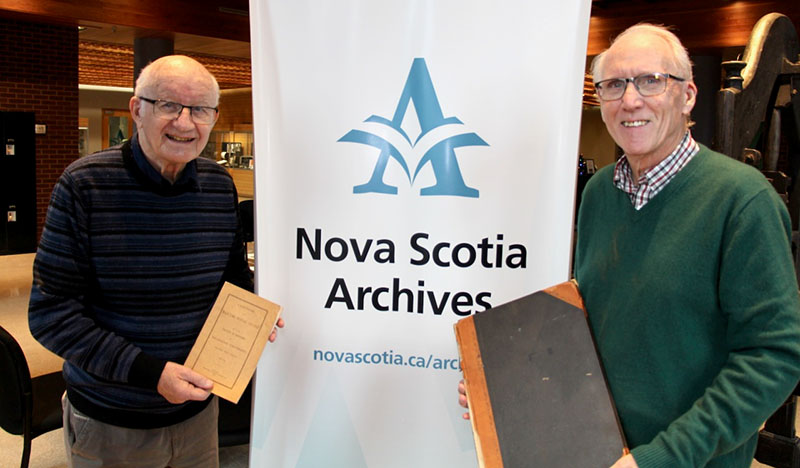
Nova Scotia Dental Association documents of historical significance were accepted by the Provincial Archives of Nova Scotia on December 12, 2022.
Self-care Corner: Developing healthy coping skills

Though climate change and its effects consist of complex issues that can feel overwhelming on an individual level, there are strategies that may help us develop healthy coping skills.
A Retired Dentist’s Spotlight: Dr. Will Draper

Dr. Will Draper didn’t always know he was destined for dentistry. In fact, while completing the first year of his Bachelors of Science at the University of Toronto (U of T), he considered many professions, including pharmacy, law, and medicine. Ultimately, his own dentist recommended dentistry as a career path.
How I spent my summer vacation: Lessons in patient care from seasoned professionals
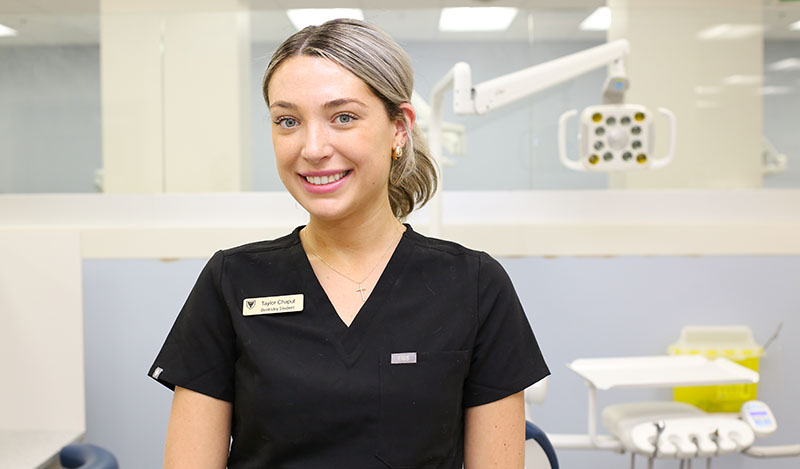
When Taylor Chaput heard she could take a seven-week clinic observation elective in the summer between the second and third year of her Doctor of Dentistry (DDS) program, she seized the opportunity with gusto.